Where the blues met the spirit — and a new American music was made
IThe Storefront Moment
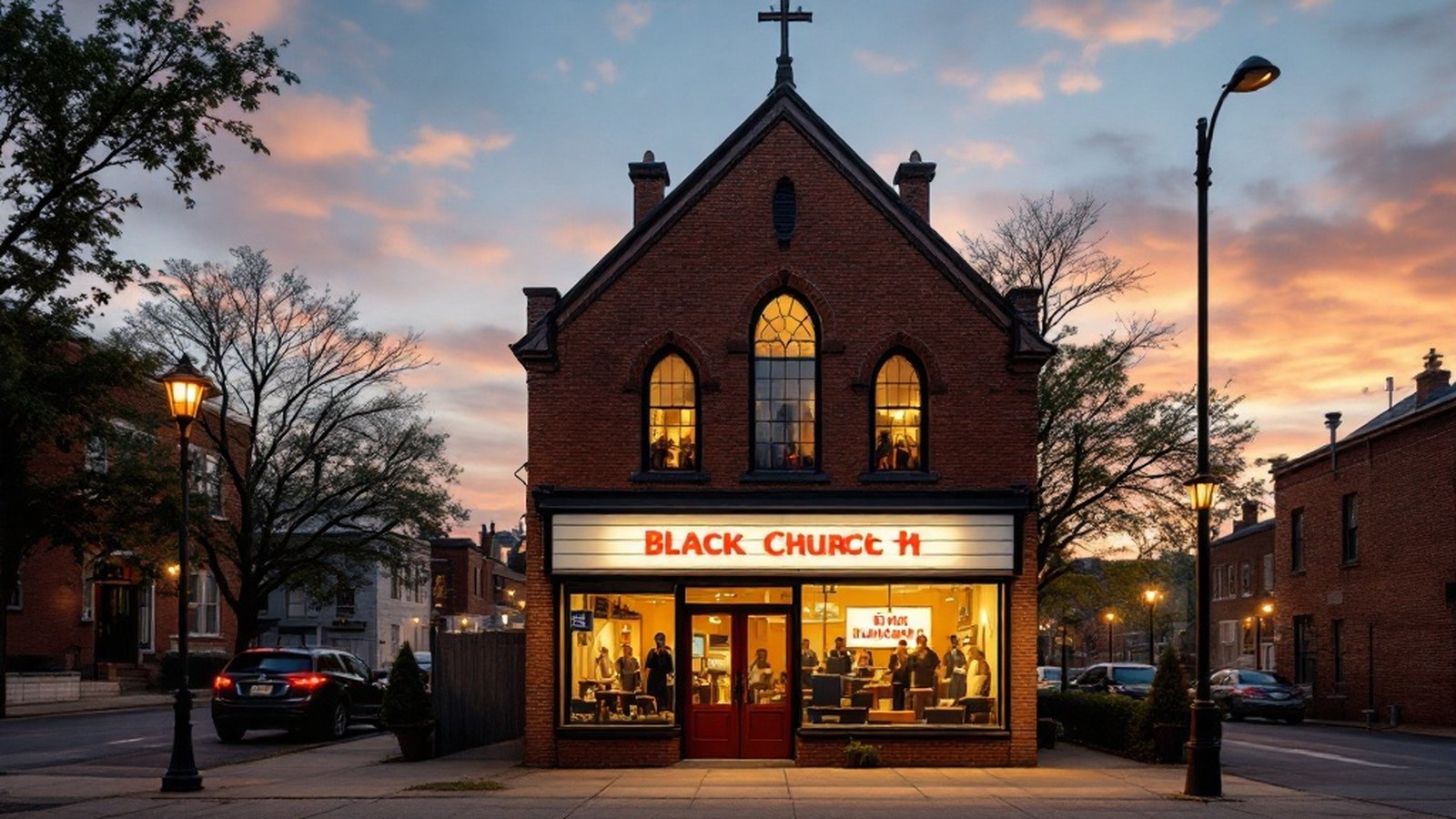
When hundreds of thousands of Black Southerners rode the Illinois Central north during the Great Migration, they carried their music with them: the work songs, the field hollers, the church-learned harmonies of the spirituals, and the brand-new secular sting of the Delta blues. In Chicago, Detroit, and Pittsburgh, they crowded into rented storefronts and repurposed halls — congregations too new, too poor, or too Pentecostal for the established Baptist and Methodist churches that had preceded them. Inside those humble rooms, something unprecedented happened. Sacred and secular collided, and gospel was born.
The man most credited with the synthesis is Thomas A. Dorsey. A Georgia-born pianist who had toured the blues circuit as "Georgia Tom," Dorsey experienced a profound religious conversion in the late 1920s and began writing songs that fused blues melody, bent notes, and rhythmic drive to lyrics of scriptural faith. The marriage was controversial. Elder Black congregations heard the barrelhouse in the piano rolls and objected; the spirituals, they insisted, did not belong in the same room as Saturday-night music. Dorsey persisted. After a devastating personal loss in the early 1930s, he wrote "Take My Hand, Precious Lord" — a song of such spare, aching beauty that it traveled far beyond Chicago and became one of the most recorded hymns in American history.
Chicago's Olivet Baptist Church, swollen with Great Migration arrivals, was part of the world that shaped and received this new sound. Dorsey eventually found a more enthusiastic home at Pilgrim Baptist Church on the South Side, where he organized what is widely regarded as the first dedicated gospel choir and held his ground against critics. He also founded the National Convention of Gospel Choirs and Choruses, creating a network that spread the idiom church by church across the country.
What Dorsey had understood — and what made gospel lastingly powerful — was that the blues was not the opposite of the spiritual. Both were forged in suffering; both reached for something beyond it. The blues named the wound; the spiritual named the hope. Gospel held them together in a single breath. The style that emerged from those storefront churches — the call-and-response electricity, the surge and release of a full choir, the soloist pushing to the edge of the expressible — would go on to seed soul, rhythm and blues, and rock and roll itself, shaping American popular music in ways the genre's critics had not remotely imagined.